

If you’re a hunter, you’ve seen deer slip away through thick brush and timber while making little noise. Or cruise up steep hillsides while feeding on no discernible path.
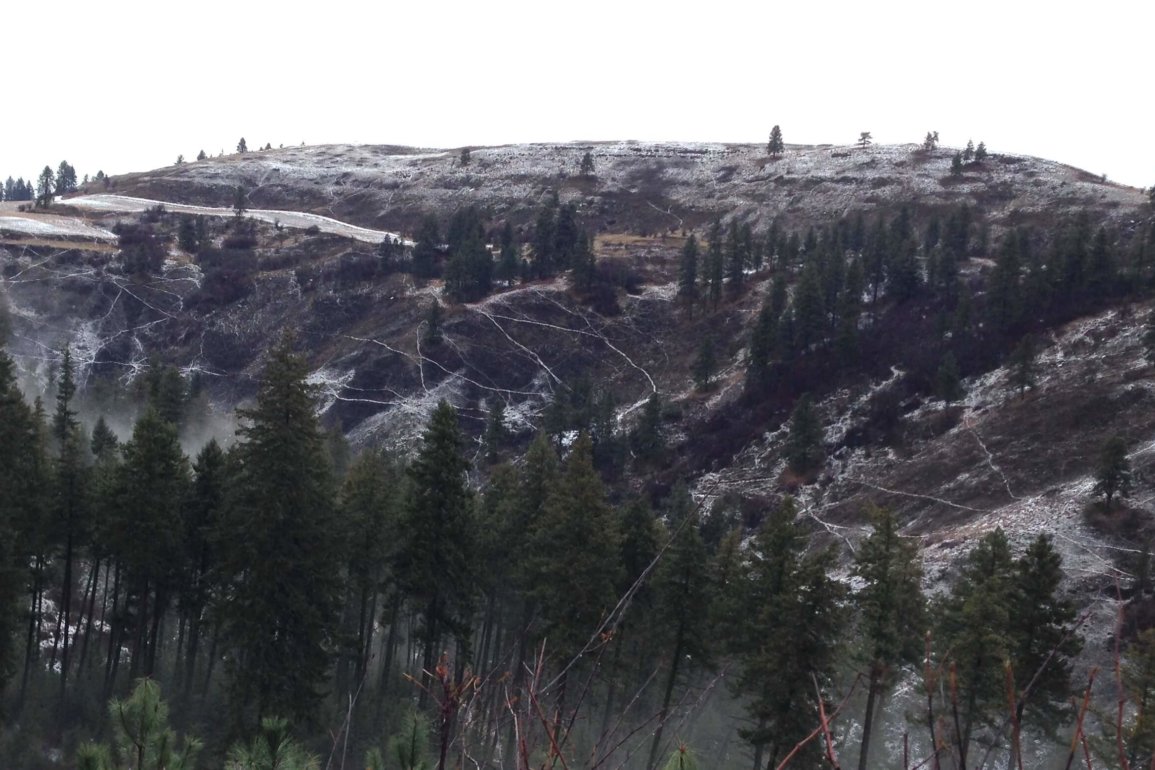
And you’ve likely followed a game trail or two, and you might think you know where deer or other big game travel the most. As it turns out, there is likely more to deer movement than meets the eye. On one deer hunting trip after a light dusting of snow, I was blown away by how clearly the snow revealed game trails.
The network of game trails that appeared on the other side of a canyon was far more extensive than I imagined. Without the snow, the whole area looks relatively barren. Obviously the deer traverse the far side of the canyon — but it’s not as random as I thought it was. You can use days like these to plan your hunts with a little more intent!
Hunting Tip: Look for Patterns
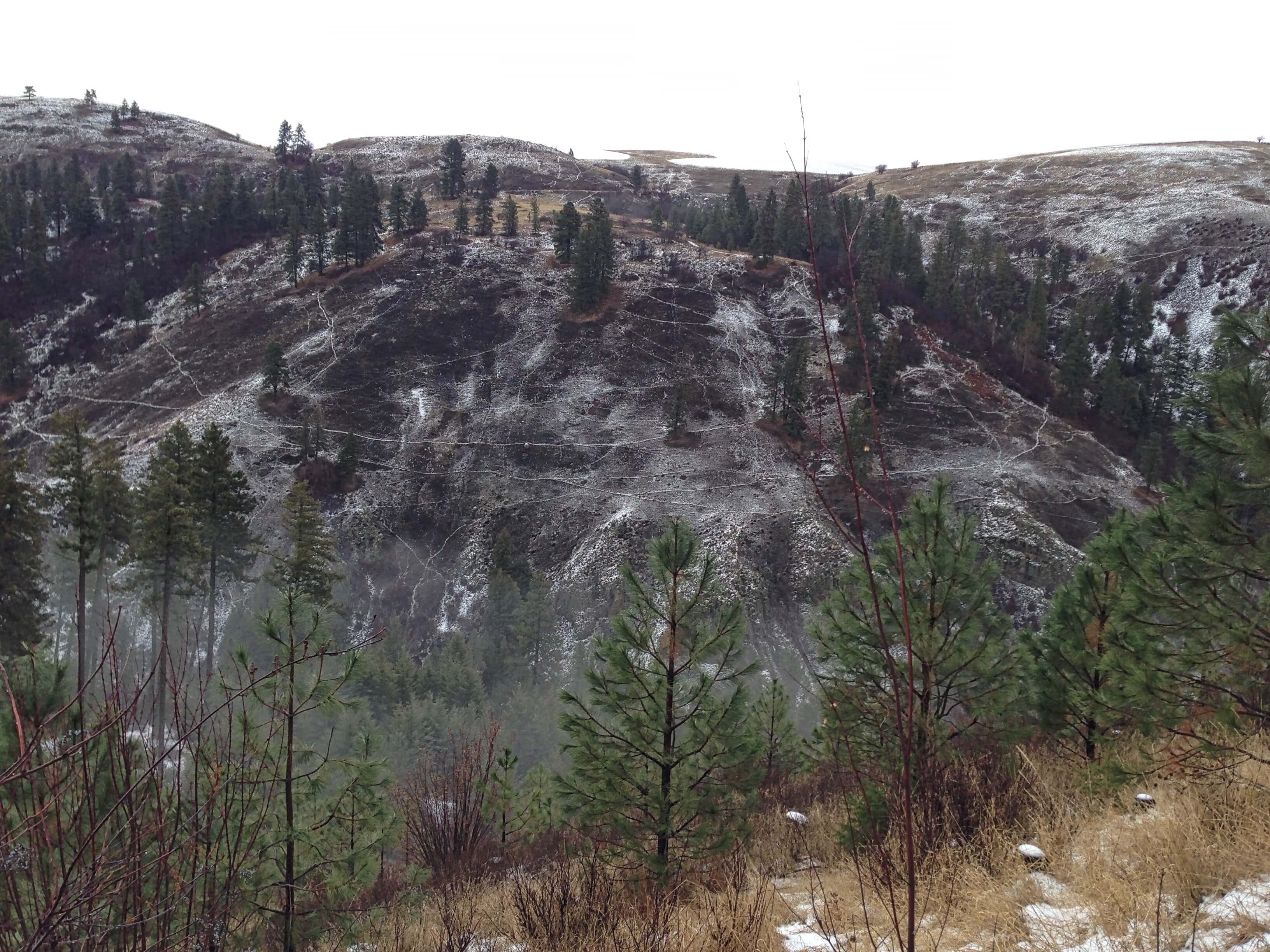
Here is a handy hunting tip, and it really becomes useful after a snowfall: Look for patterns when you see trails, places where more than one trail leads and converges. If you see a spot where five trails crisscross or converge, there might be a salt lick or previously unrealized geographic funnels that guide deer.
When it snows, you can spot trails and movement patterns from much farther away.
If you use a mapping app like onX Hunt, you can mark game trails, mark points of convergence, and likely connect the dots between feeding and bedding zones.
