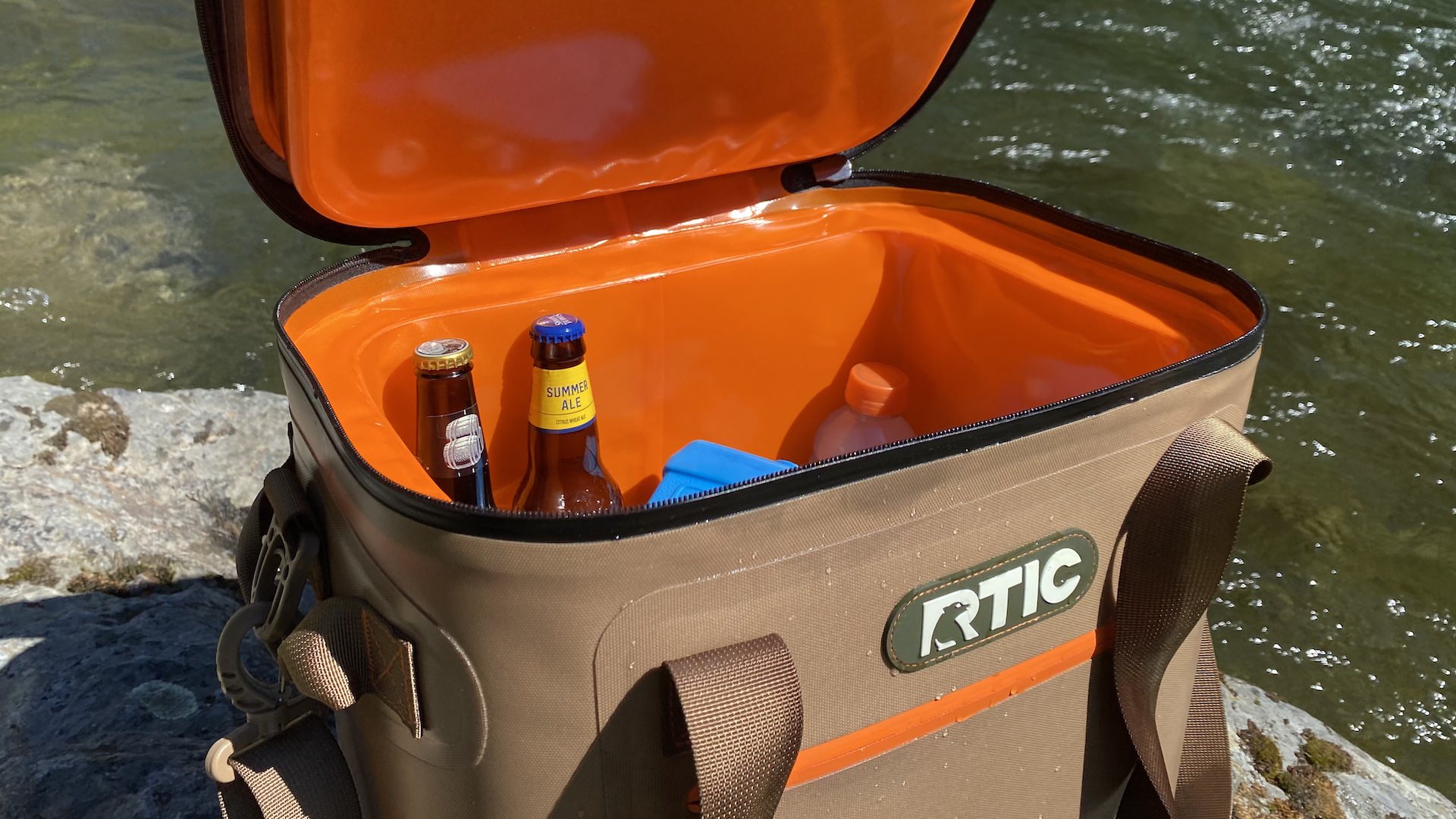
The RTIC Ultra-Tough Soft Cooler is a rugged, thickly insulated cooler that comes in three size options, giving you just the right amount of cooling power for the space you need most.
I’ve personally used, tested, and reviewed multiple RTIC coolers over the last six years, including RTIC’s heavy-duty rotomolded and ultra-light hard coolers. I taken the 20-can and 30-can RTIC Ultra-Tough Soft Cooler on dozens of outdoor adventures because they’re lightweight, easy to grab, and pack nicely inside vehicles without any hard edges. Better yet, these coolers are thermally efficient and rugged enough to toss in the back of a pickup or UTV.
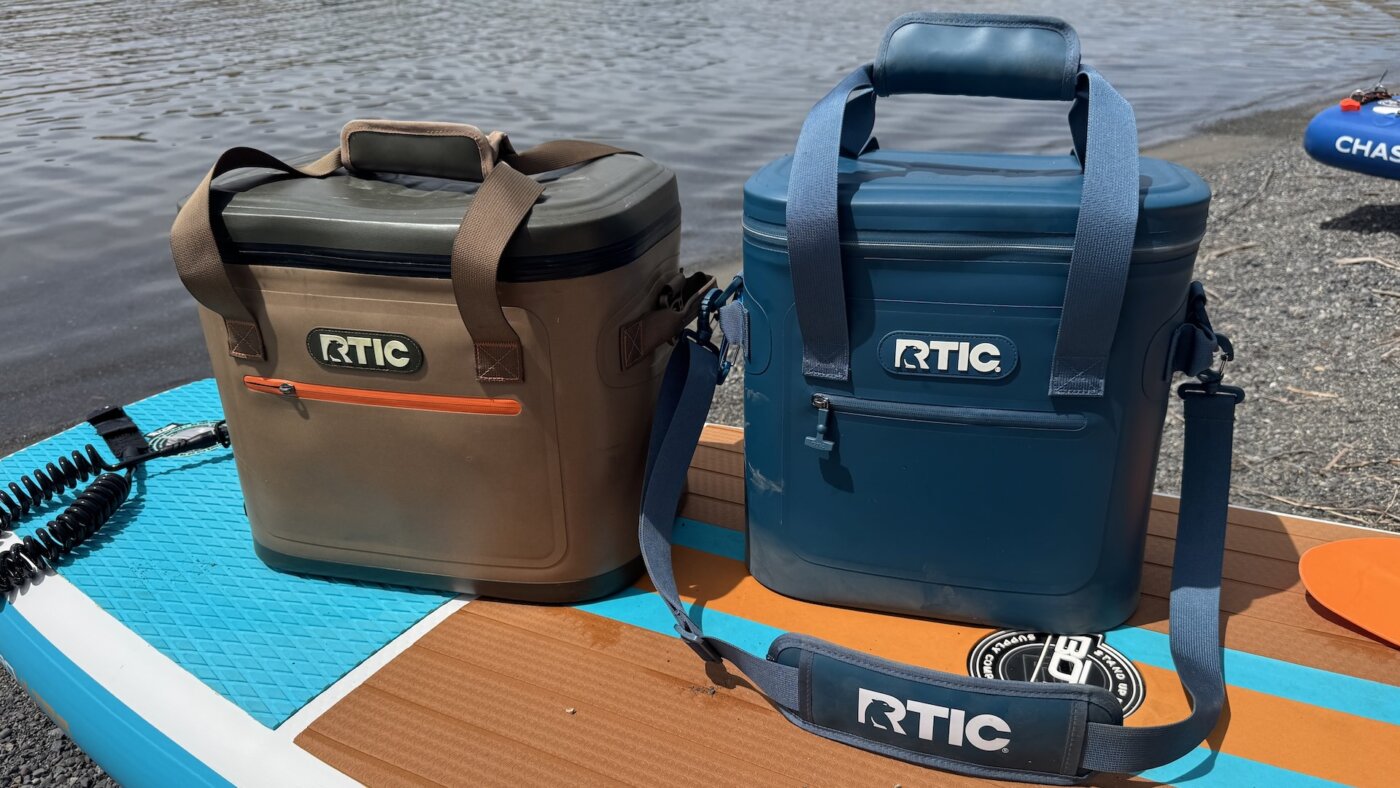
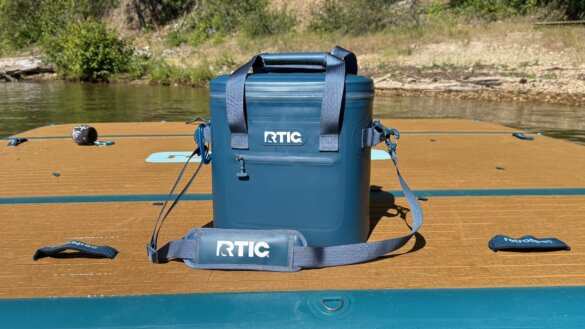
I like to take the RTIC Ultra-Tough Soft Cooler to the beach or river because it’s waterproof and it floats. The handles are strong and I can strap them to an iSUP or secure them in a whitewater raft. I’ve fallen on top of the 30-can model, and it not only survived the experience, I didn’t get hurt by its soft edges.
Is the RTIC Ultra-Tough Soft Cooler Worth the Price?
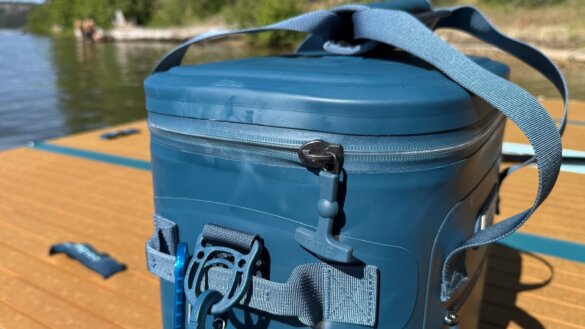
When I first started using a 30-can RTIC Ultra-Tough Soft Cooler more than six years ago, the price was right but I wasn’t sure it was going to last for multiple seasons, primarily due to the relatively small zipper.
I was wrong.
The little teeth gripped well and they never gunked up with sand. I did, however, lubricate the zipper with RTIC’s Soft Pack Zipper Lubricant, usually once or twice a year. That also helped with the stiffness of the waterproof zipper, making it a bit easier to zip and unzip.
If you’re reading this review, you’re probably wondering of the RTIC soft cooler is worth it? It retails from around $99-159~ depending on the size, which is more than cheap department store options but less than half the cost of a comparably sized YETI Hopper Flip option.
It’s worth it.
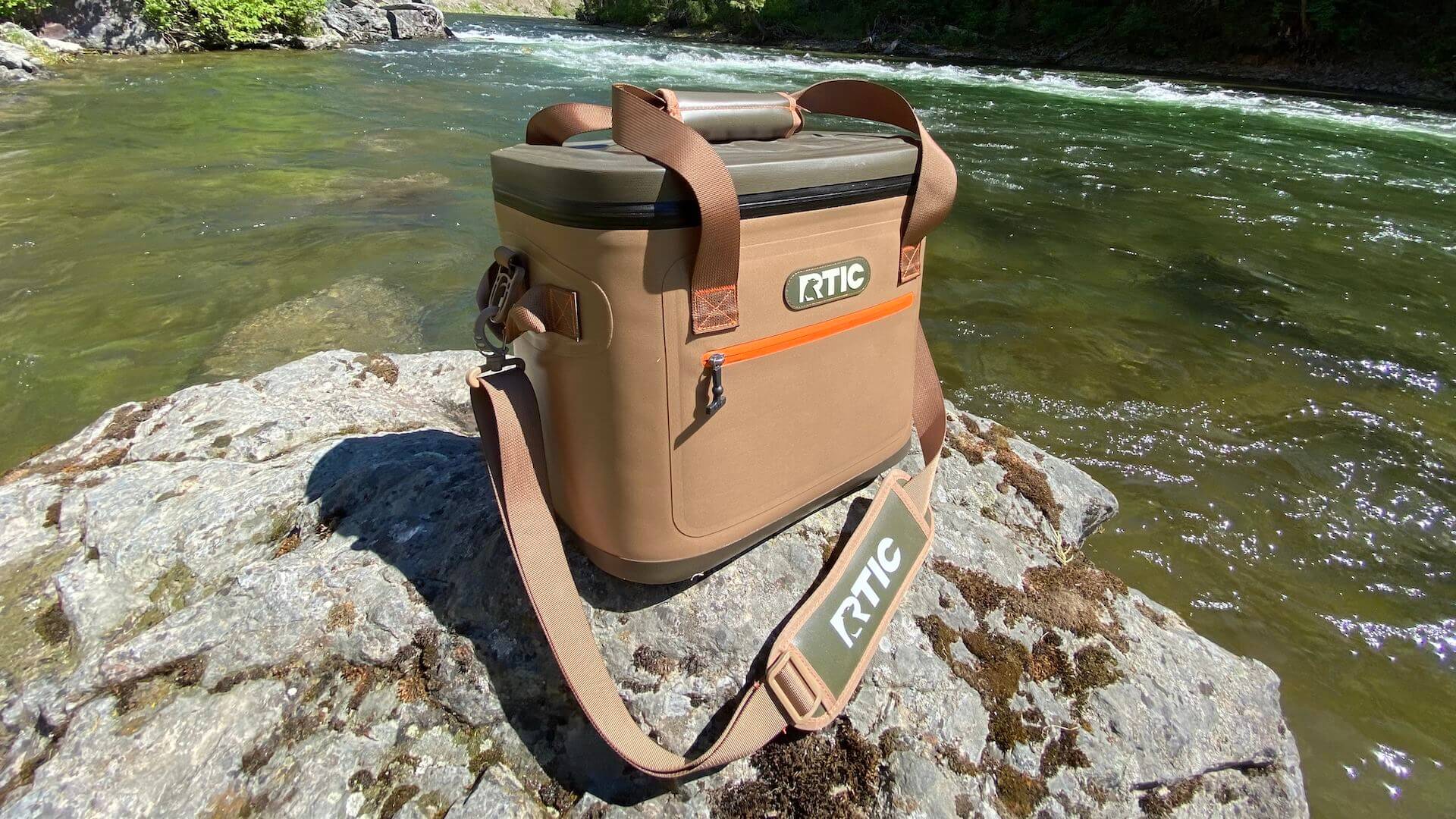
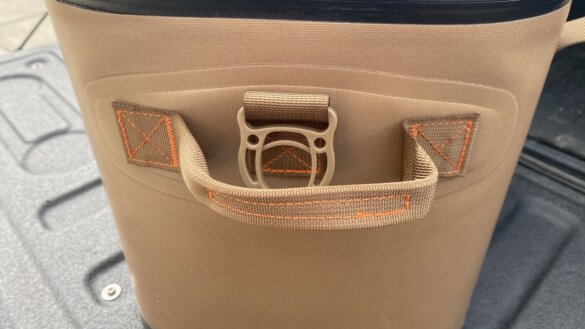
The puncture-resistant exterior is very tough. I’ve dropped this cooler down steep, rocky banks on the St. Joe River and it’s survived without discernible scratches. I’ve stepped on it, which I don’t recommend, and I weigh 220 pounds.
The 1.5″ closed cell foam insulation is as thick as a 2×4 and does its job. RTIC says it’ll hold ice for two days if you use a 2-to-1 ice ratio, but I’ve gotten better results. On one summer fishing trip in Idaho, I pre-chilled the cooler and contents and used ice from our chest freezer to keep cans cold, leaving the house midday on Friday. On Sunday evening on the way home, I still had ice water and a cold drink.
Shop the Ultra-Tough Soft Cooler at RTIC for all the color options and get free shipping!
Key Specifications
20 Can Size:
Dimensions: 13.75″ H × 13″ W × 9.5″ D
Capacity: 20 cans
Empty Weight: 3 lbs
30 Can Size:
Dimensions: 12.75″ H × 15.5″ W × 11.5″ D
Capacity: 30 cans
Empty Weight: 4 lbs
50 Can Size:
Dimensions: 17″ H × 18.5″ W × 12″ D
Capacity: 50 cans
Empty Weight: 5.5 lbs
RTIC Ultra-Tough Soft Cooler vs Pro Option
RTIC also offers a very similar “pro” option that costs $20-30 more. The most noticeable difference is a that the RTIC Ultra-Tough Soft Cooler Pro has a larger waterproof exterior box pocket for stowing keys, a phone, or napkins.
However, the Pro version also has thicker insulation, up to 2 inches, as well as a nifty lid design that seals out most warm air. Called the Cold Lock Press Lid, it’s shaped fit into the sidewalls of the inside of the cooler, letting you keep the cold in without needing to unzip and zip every time you grab something. The feature is particularly handy around group lunch time or if you have kids who tend to forget closing coolers.


The next key difference is that the Pro model has fewer exterior seams for a sleeker look. The handle attachment points are also covered by the exterior material to further the trim style.
Functionally, the Pro version will do a very similar job, so it’s not a slam dunk upgrade. If you like pockets and you don’t want to unzip/zip every time you grab a drink, the Pro version is probably worth the extra $20 in the 30 Can option.

Competitive Alternatives and Options:
There are several great soft cooler brands and designs that might be better for you. Here are a few options I’ve personally used and appreciate that you may want to also consider:
YETI Hopper Flip 18 Soft Cooler — This YETI cooler is one of the most rugged soft coolers ever created, and it’s one of the most expensive, too. Insulation and size options are similar, but YETI takes the edge with its burly rugged zipper and lid handle. Basically, the zipper is so strong that you can fill it with ice and drinks and lift it with the top lid handle. RTIC avoids such stress on its zipper by using wraparound handles instead.
Engel HD30 — This 32-quart soft cooler uses a taller, narrower rectangular shape instead of a cube. It features thick insulation and keeps ice just as long as the RTIC competition, if not a bit longer. The waterproof zipper is easier to open, but getting food and drink into and out of it often requires two hands to hold the sides open while you do it. Still, one of my favorites. Fits well behind seats in pickups and SUVs.
Bass Pro Shops 24-Can Soft Cooler — If you’re looking for a super affordable soft cooler and you’re not hard on your gear, has a welded liner and a zipper that’s much easier to unzip/zip. However, while its nylon shell is pretty rugged, it’s not as rugged as the RTIC Ultra-Tough Soft Cooler and it’s not waterproof. It will leak through the zipper if it tips. And it doesn’t hold ice as long. However, for day trips and a price point around $40~ it’s hard to beat for anyone on a tight budget.
The Bottom Line: Best Midrange Soft Cooler
If you want a high-quality, rugged soft cooler but can’t spend the money for a YETI Hopper Flip, the RTIC Ultra-Tough Soft Cooler is the best affordable option. I put a 30-can cooler through multiple seasons for six years and it’s still going strong. A new 20-can model this summer is a little smaller but works just as well for me. I wish the zipper was easier to use, but I get it: waterproof zippers are harder to slide than non-waterproof zippers, but they’re leakproof, so I’m willing to deal with it. If you’re thinking about buying a cheaper competitor, just know it probably won’t last as long as the RTIC or function nearly as well. RTIC has the price-to-value ratio dialed in. Very highly recommended.
Shop ‘50% Off Deals’ at REI Outlet and save big on all categories of outdoor gear!
Consider Moving to Ice Packs
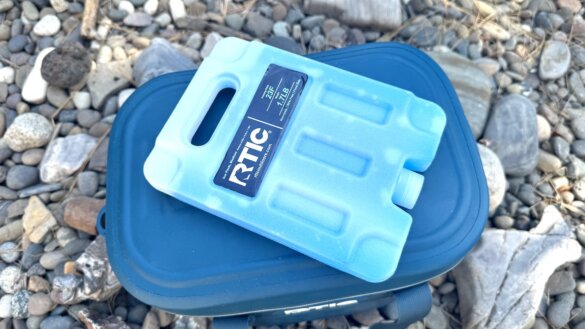
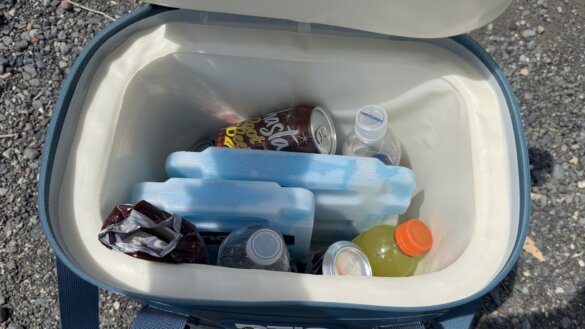
While using a heavy percentage of ice is the most effective way to keep drinks cold, I’ve started using reusable ice packs in my soft coolers. I don’t have to buy ice and I don’t have to raid the refrigerator’s ice bin, I just stick in a few ice packs and head out the door.
Are they more efficient? Sometimes. For instance, high-quality ice packs like the RTIC Ice Pack can freeze down to 23°F, which is colder than the freezing point of water (32°F), so they can work effectively. On a couple of occasions, I’ve cracked open a soda to find that it had started to freeze next to ice packs. On the other hand, sometimes ice packs don’t have the staying power as a massive bag of ice. I tend to use them for day trips and the occasional overnighter.
Notes on Ruggedness: Not for Hot Surfaces
While the RTIC Soft Pack Cooler is pretty rugged, RTIC warns that it shouldn’t be left on a hot surface or the bottom might melt. Examples include the back of a pickup truck, the top of a car, or the floor of a boat that is in full sun. Obviously this will depend on the ambient temperature, direct sunshine and the length of time it sits on a very hot surface . . . but the point remains — excess heat might affect the integrity of the build.
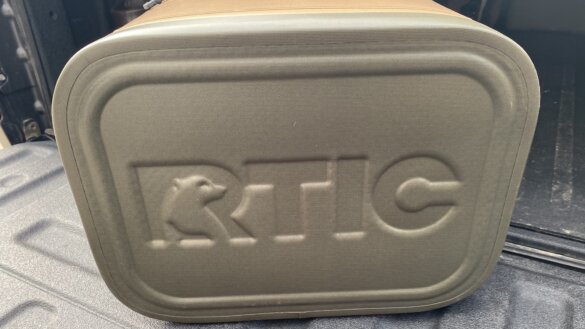
Of course, it’s not that hard to pay attention to this, and RTIC recommends that you simply place a towel or some other material underneath the cooler. Generally, I try to protect coolers from hot surfaces and direct sun simply because I want the contents to remain cold! As you might already know, the best hard-sided coolers usually have short legs designed to raise the bottom of the cooler off of warmer surfaces. Soft coolers don’t have these legs.
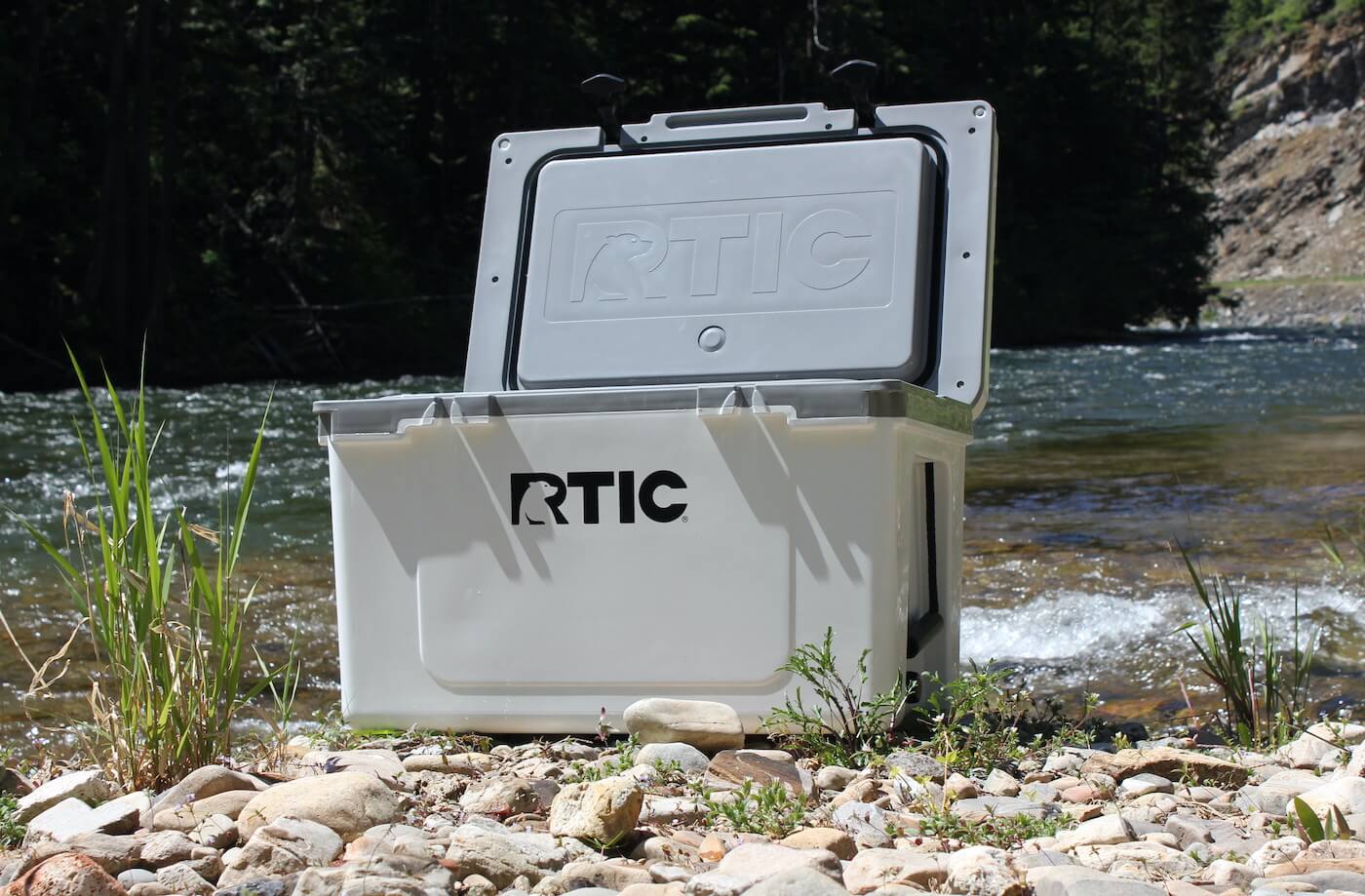
This warning about high temperatures isn’t meant to imply that competitive soft coolers that cost twice as much won’t melt or have issues on hot surfaces — just that you need to be aware of this depending on how you want to use the cooler. For ultimate ruggedness — and ice retention — a hard-sided cooler like the RTIC 22 QT Ultra-Light Cooler might be a better choice for you. In fact, if you plan to leave the cooler in the back of your pickup where it might sit in full sun, get the 20 QT Hard Cooler instead and use more ice.
Quick Ice Recommendations for Soft Coolers
Lots of people complain about coolers because they start off with impossible expectations and situations.
If you want good results with any cooler, don’t start with a hot cooler. In fact, most cooler manufacturers recommend that you pre-chill or “season” your coolers by cooling the cooler before you load it with ice. I generally don’t bother seasoning my coolers, but I do follow these recommendations:
- Make sure all of your drinks have been pre-chilled. Don’t expect your ice to work well with room-temperature drinks. Most of it will melt as it cools the drinks.
- Strive for a 2-to-1 ratio of ice-to-drinks for best results.
- Keep your cooler out of direct sun, and insulate soft coolers from hot sand or surfaces with a towel.
- Don’t frequently open the cooler, and make sure you seal it shut quickly. Watch out for kids because they leave coolers open. Don’t yell at them. They’re kids! And you’re outside to have fun, so keep it fun.
- When a good chill is critical, use two coolers. Use one for frequently accessed food and drink and the other for infrequent access and for food that must stay cold.
And this last recommendation of using two coolers, it turns out, is an area where RTIC’s affordable price points might come into play for you, letting you buy two coolers instead of splurging on one more expensive option.